
Oil Spills

Reading List

Title: Oil Spill Author: Melvin Berger Illustrator: Paul Mocha Publisher: HarperCollins Childrens Books
Scientists are learning the best ways to combat oil spills. Learn how you can help, too!
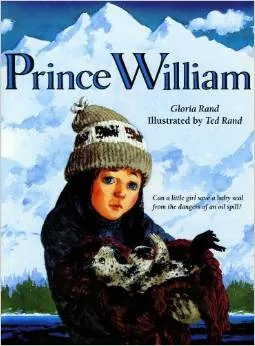
Title: Prince William AUthor: Gloria Rand Illustrator: Ted Rand,
Publisher: Henry Holt & Company
In Prince William Sound, a little girl named Denny finds a baby seal covered with oil. How can she save its life?

Title: One Pelican at a Time: A Story of the Gulf Oil Spill Author: Nancy Stewart
Illustrator: Samantha Bell Publisher: Guardian Angel Publishing
Bella and Britt love living by the beach. When they find oil washing to shore from a gulf spill, they want to help but are told there is nothing for kids to do. But when their old friend, the pelican, becomes covered with oil, they help save his life by their quick thinking and action.Suggested age for readers: 7 to 12
Oil spills have a tremendous impact on the environment. In this investigation, students will learn about oil spills and dtermine what materials might be used in a cleanup.
Oil Spill Investigation
Task
Develop a method for cleaning up an oil spill using the materials provided.
Student Jobs
Reporter – What did you find out? Recorder – How well did it work? Runner – What materials were used? Referee – How much time did it take for the plan to work?
Materials
Coffee Filters
Cotton Balls
Sand
Straws
Styrofoam
Pipettes
String
Baby Powder
Dish Soap
Nylon Stockings
Tin Pie Pan
Motor Oil
Procedure
- Provide students with a tin pie pan.
- Pour water into the pan
- Put drops of oil on top of the water
- Devise a plan(s) to clean-up an oil spill
- Write down your observations for each plan
- Keep a record of the time for the plan to work
- Write a summary describing the method that worked best
Oil Spill Investigation Handout(pdf)
Science Process Skills (pdf)
Compaed to What? Courtesy of USGS
The video relates how a team of scientists conducted rapid response sampling of coastal environments before any oil had reached land, following up in October 2010 with post-landfall sampling for comparison. USGS hydrologist Dennis Demcheck describes details of the work and explains the importance and value of having pre-landfall data for assessing impacts of the oil spill.
Information About Oil Spills
NASA captured a variety of Satellite images of the Gulf Oil Spill.
Several activities are geared to different ages. Included are an overview, photographs, videos, handouts, and strategies for teachers to use in the classroom.
Oil Spill Cleanup with Nano Sand
"Nano sand" is a product that was originally invented to help clean up oil spills in water. Since the "nano sand" is hydrophobic, it does not let water molecules pass through. It does, however, let oil molecules pass through. The description and the video are amazong to read and watch.
This video from history channel features one of the largest oil spills in history: the 1989 Exxon Valdez spill in Alaska's Prince William Sound, the costliest industrial accident to date.
PBS: A Year After the Oil Spill
Tom Bearden returns to the Gulf to assess environmental damage and cleanup efforts a year after the Deepwater Horizon oil rig exploded.
Scholastic Oil Spill in the Gulf of Mexico
Scholastic News Online, a free resource with breaking news and highlights from the print magazine tracked the Gulf of Mexico Oil Spill in 2010.The information is a collection of news stories, video, and other resources that provide insight into the cause and effect of this disaster.
The date, place and description of major oil spolls from 1967 to 2010 was compiled by Infoplease.

Surface Residual Ball Courtesy USGS